Smart, Sustainable Gardening and Home Improvement: A Practical Guide for Cozy Interiors and Outdoor Spaces
A practical guide blending garden care with interior decor and smart home improvements for practical, beautiful living spaces.
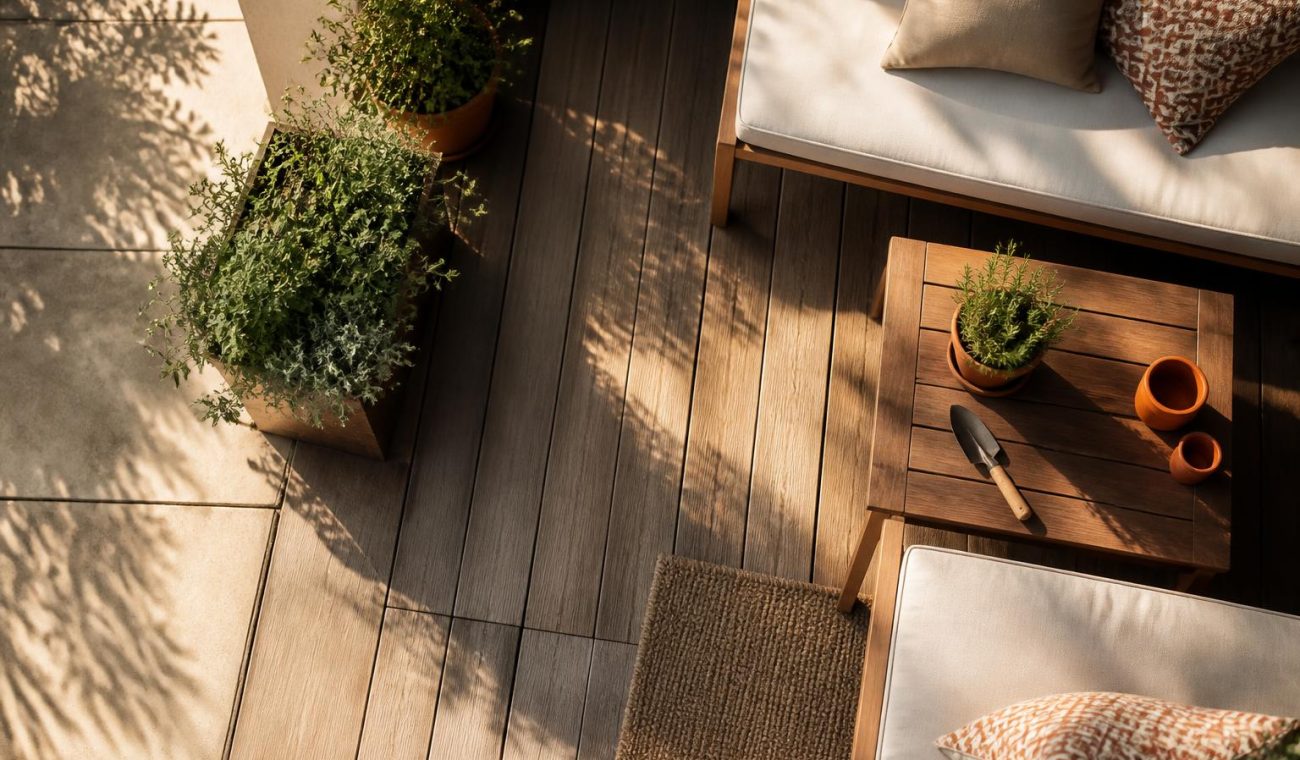
Welcome to a practical guide for blending gardening, home improvement, and cozy interior decor
The first step in creating a seamless indoor‑outdoor experience is to plan with purpose, merging plant choices with the room’s function and light. From selecting drought‑tolerant herbs on a sunny balcony to integrating compact, low‑maintenance shrubs near a shaded window, thoughtful placement drives results. inertial measurement unit becomes a metaphor here: precise, repeatable measurements guide both garden layout and furniture orientation, ensuring comfort and efficiency in daily routines. Embrace small, measurable goals like weekly pruning, soil testing, and color‑blocked plantings that echo the room’s decor palette.
As you begin, invest in a compact toolkit: hand pruners, a trowel, a moisture meter, and a lightweight potting bench. This set supports practical home improvement tasks such as potting, repotting, and rotating containers to maximize sunlight capture. For interior spaces, choose planters that echo the room’s materials—ceramic whites for modern kitchens, ceramic‑glazed planters with warm textures for living rooms—tying together greenery and decor into a cohesive story.
Section two: everyday maintenance that keeps both interior and garden thriving
Consistency is the cornerstone of thriving plants and tidy living spaces. Create a rotating schedule: monthly soil checks and fertilizer applications, weekly watering audits for container setups, and seasonal pruning cycles that maintain plant health. Inside the home, a light cleaning routine—dusting shelves, wiping window sills, and maintaining humidity—prevents grime from dulling decor accents and plant leaves alike, preserving the freshness of both environments.
Another key habit is mindful composting and recycling, which feeds your garden while reducing waste in the home. Build a compact compost system under a utility shelf or in a shaded corner of the yard, using kitchen scraps to nourish herbs and ornamentals. In the interior, store gardening tools neatly in a cabinet with labeled bins, which keeps the space organized and minimizes clutter that can interrupt decor cohesion.
Section three: choosing plants that complement interior style and climate
The plant palette you choose should reflect both light availability and your aesthetic goals. For sunny rooms, opt for succulents, citrus, or lavender to create a bright, spa‑like feel that complements minimalist decor. In shadier interiors, select lush ferns, pothos, or zz plants that soften edges and provide a sense of calm, balancing rustic and modern decor tendencies with soft textures and adaptive growth habits.
Outside, select a mix of flowering perennials, evergreen shrubs, and edibles that align with your climate zone. Pair tall grasses or bamboo screens with low‑growing groundcovers to add vertical interest and layered texture to the garden, echoing the room’s spatial organization. Consider container gardens near entry doors to invite guests with fragrance and color, while ensuring maintenance remains manageable year after year.
Section four: design principles to fuse interior ambiance with outdoor color and scent
Use a cohesive color story that travels from room to yard: cool neutrals indoors, warm accent colors in textiles outdoors, and complementary plant foliage tones that unify spaces. Install lighting that serves both purpose and mood—soft, warm LEDs inside and string lighting or solar lanterns outside—to create sanctuary zones. Texture matters: combine matte finishes with glossy planters, natural wood with metal hardware, and woven textiles with smooth ceramic pots to achieve depth across spaces.
Incorporate year‑round fragrance with a thoughtful mix of herbs, lilac, rosemary, and mint near doors, so entering the home is met with subtle, refreshing scents. Use decor items such as weathered benches, ceramic bowls, and outdoor rugs that mirror indoor textiles, creating a sense of continuity. Small details—plant labels in natural material, matching pot sizes, and uniform trellis designs—make the transition between interior and exterior feel deliberate rather than incidental.
Section five: furniture and layout that support both living room comfort and a practical garden view
When arranging furniture, prioritize sightlines that showcase the garden without sacrificing conversation zones inside. Place seating to face a window or door that frames a garden vignette, so nature becomes part of everyday conversation. Use durable, weather‑resistant fabrics for outdoor cushions and coordinate color with indoor textiles to maintain a cohesive look across spaces.
Create versatile zones that can flex with seasons: a sunny seating nook for morning coffee, a shaded corner for afternoon reading, and a dining area with a view of edible plantings. Storage should be practical and aesthetic—lidded baskets for gardening supplies, elegant planters that can double as side tables, and hidden cords for lighting and irrigation systems. This approach elevates both interior comfort and garden usability, aligning function with beauty.
Section six: irrigation, soil, and climate strategies for resilient gardens and homes
Efficient watering begins with a simple plan: drip irrigation for containers, soaker hoses for beds, and a rain barrel to capture runoff for reuse. Pair this with a soil test every season to monitor pH levels and nutrient balance, adjusting compost and amendments as needed. Proper irrigation reduces water waste, supports plant health, and resonates with a broader home improvement ethos focused on sustainability.
Mulching is an underrated tool for both interior and exterior spaces, reducing soil temperature fluctuations and moisture loss around roots while visually tying plant beds to the home’s foundation. In the interior, use moisture‑mensing potting mixes and well‑draining containers to prevent root rot and keep foliage vibrant. By coordinating irrigation and soil care, you’ll build a resilient landscape that mirrors a well‑kept interior.
Section seven: tiny rituals that elevate daily life and long‑term garden success
Adopt a weekly 15‑minute tidy‑up ritual for both planters and rooms: prune spent blooms, wipe leaves, and rearrange a few decorative accents to refresh the space. Pair this with a monthly garden snapshot—photos of plant growth and queries about decor updates—to track progress and celebrate small wins. These rituals create a sense of control and pride in both your interiors and outdoors.
Finally, document your improvements with a simple home journal that includes plant care notes, decor decisions, and seasonal maintenance tasks. This living record helps you repeat successful projects and gently phase out efforts that weren’t worth the effort. By weaving home improvement, interior comfort, gardening, and decor into daily life, you create a harmonious environment that supports wellbeing and sustainable living.