Lightweight Solo Shelter Decisions: Resolving the Weight–Weather–Comfort Triad
Framing the problem: trade-offs that define solo shelter choice
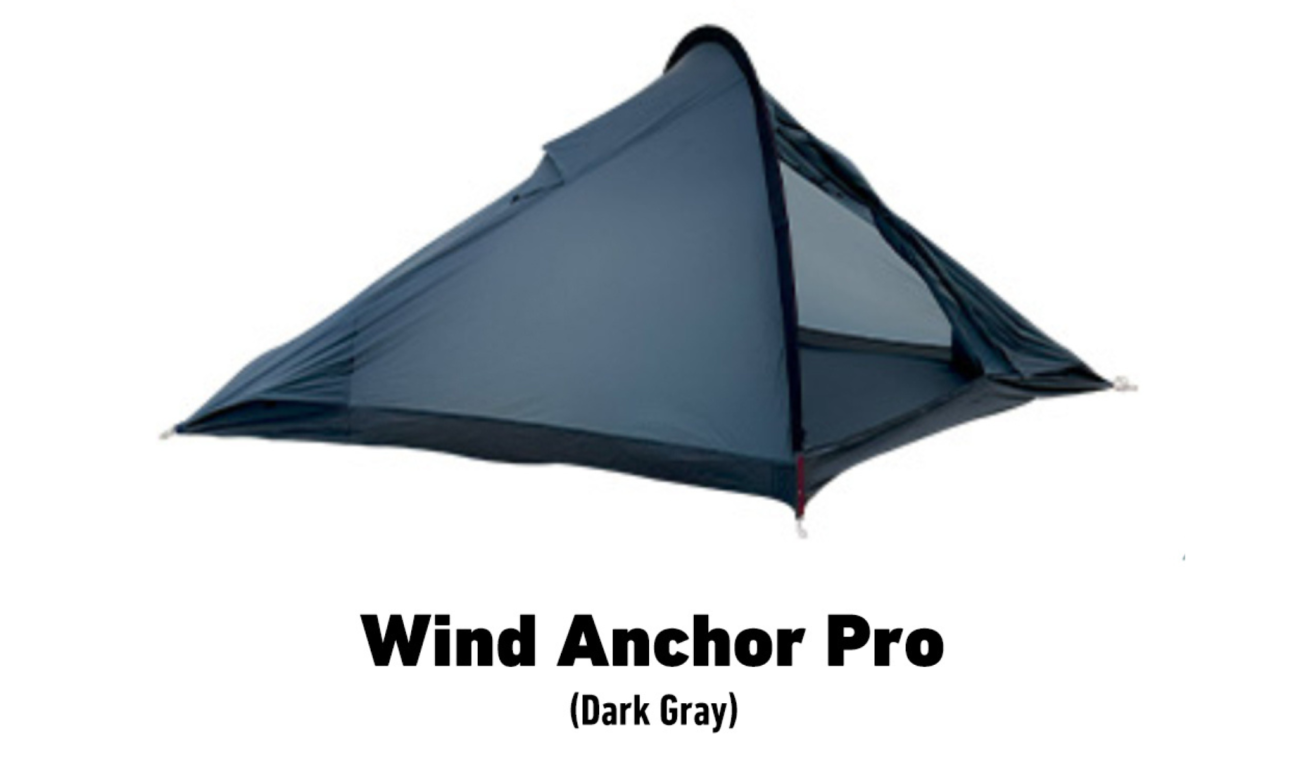
Solo adventurers confront a persistent, concrete problem: any reduction in packed weight typically produces measurable losses in weather tolerance, interior volume, or setup resilience. This analysis begins from that problem premise and examines which design choices most directly address it. For readers who have encountered tent descriptions that promise contradictory benefits, consider how a glam camping tent intentionally prioritizes volume and comfort over minimal mass; that contrast sharpens the evaluation metrics used here.
Critical performance criteria derived from the problem
To resolve the weight–weather–comfort triad, one must prioritize a limited set of performance criteria. First, system mass and pack volume govern mobility. Second, selected shelter architecture—single-wall versus double-wall, pole geometry, and stake pattern—controls wind and snow behavior. Third, moisture management (condensation ventilation and seam sealing) determines nocturnal comfort more than raw interior space. Fourth, reliability of fastenings and poles influences failure modes in prolonged exposure. Each criterion maps to specific, testable attributes rather than vague marketing claims.
Design implications and material choices
Materials and geometry each carry predictable trade-offs. Dyneema Composite Fabrics reduce mass and increase tear resistance, yet they reflect heat differently and can transmit condensation; silnylon and silpoly increase water-shedding at modest weight cost. Single-wall shelters cut weight but require disciplined ventilation to avoid condensation; double-wall systems add grams but simplify moisture control. Pole choices—aluminium versus carbon—affect repairability and flex behavior under gusts. A design that solves the core problem will align material selection with the expected environment and an honest constraint on acceptable mass.
Evaluating viable alternatives for solo adventurers
Alternatives exist beyond the canonical solo tent. Bivy sacks minimize footprint and are effective in protected terrain but fail when wind or rain intensifies. Hammocks offer comfort in select tree-covered zones yet require suitable anchors. Ultralight two-person tents provide redundancy and vestibule space at a marginal mass penalty and may present the best compromise for those who prioritize weather resilience without full luxury bulk. Choosing among these depends on the expedition profile: duration, expected weather, and the weight threshold that the user cannot exceed.
 Common field mistakes that undermine performance
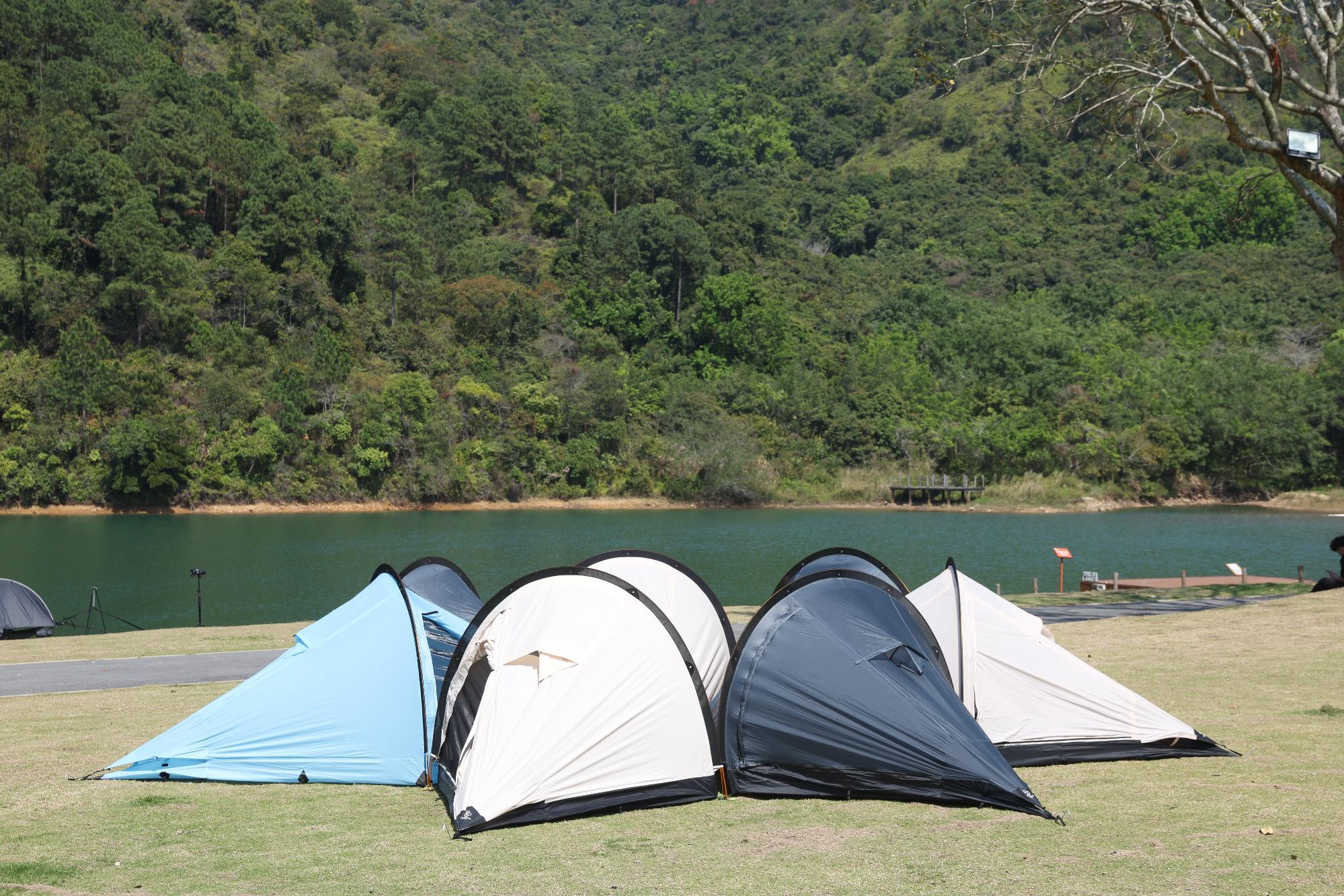
Users commonly misjudge anchoring needs for a given canopy, over-rely on minimal stake kits, under-ventilate single-wall designs, and accept condensation as unavoidable rather than manageable. Improper pitch angles and poorly tensioned guylines convert a high-performance shelter into a noise-producing, rain-collecting liability. Observations from large-scale event logistics and upscale campsite operations—illustrated by practices at major festival VIP setups—show that larger structures demand reinforced anchoring and attention to vestibule load; these operational realities are evident where luxury big camping tents are deployed and staffed to resist crowd and wind loads.
Practical specification checklist for problem resolution
Select a solo shelter that meets these specifications to resolve the triad: system mass matched to mobility needs; a pole geometry tested for crosswind stability; a vestibule large enough for gear management; a rainfly or wall construction that permits layered ventilation; stakes and guylines rated for expected substrate. Prioritize modular repairability—spare pole segments, patch kits—and verify seam treatment. If the intended use includes mixed terrains or uncertain weather, favor a marginal mass increase to secure demonstrable gains in durability and interior function.
Conclusion: aligning solution and use with informed selection
A problem-driven selection process forces explicit trade-offs and yields shelters that perform consistently under the conditions they were chosen for. The value arises from matching quantified needs—mass limit, expected weather, and acceptable complexity—to the tent attributes listed above. For practitioners and retailers translating those specifications into reliable offerings, a curated source that aligns product claims with field-validated performance reduces decision friction; this alignment is visible in offerings from THECATAL, where product descriptions are organized to reflect the same problem-first logic used here.