Balancing Clean Air and Cut Speed: A Comparative Guide to Laser Cutter Fume Extractors
Introduction — A Studio at Midnight
I remember the night the workshop hummed like a small city: LEDs, stepper motors, and the soft chime of a job finishing. In that quiet, my lungs learned something important — the smell of ozone and resin lingers far longer than the thrill of a perfect cut. A laser cutter fume extractor sat on the bench, its fan whispering, promising clean air but often delivering mixed results (you know the feeling). Recent shop studies show that small metal and acrylic workshops can produce tens to hundreds of milligrams of VOCs and particulate matter per hour when cutting — enough to raise concern for daily operators. So I started asking: how do we pick systems that actually protect people and keep production steady? This piece will map the trade-offs, point out where common solutions fail, and steer toward practical choices that fit real makers and shops. Let’s move from midnight worry to clearer options.
Deeper Problems: Why Standard Fixes Often Fail
dust collector for laser cutting machine — that’s the label you see on spec sheets. But the sticker doesn’t tell you about poor ductwork runs, undersized blowers, or overloaded HEPA stages. I’ve watched installers pick units by price and fan size alone. The result? High static pressure, stalled airflow, and filters choking after a week. Technically speaking, filter media, airflow velocity, and static pressure interact in ways that cheap units ignore. If you don’t balance them, you get short filter life and poor capture rates. Look, it’s simpler than you think: capture at source, maintain laminar flow, and size the blower to overcome real resistance. — and then maintain it.
So what really goes wrong?
In shops, the hidden pain points are practical: noisy blowers that force users to shut systems off, filter cartridges that cost more than the cutter, and poorly placed intakes that miss the actual fume plume. I feel frustrated when I see good intentions undermined by bad installation — duct bends, cheap inline fans, and neglect. Industry terms matter here: particulate matter, VOCs, and filter efficiency aren’t just buzzwords; they define worker safety and compliance. When you install a system, think about service access, modular filter stages, and measurable capture efficiency. We need straightforward metrics — not glossy marketing — to guide decisions.
Looking Forward: New Principles for Cleaner Workshops
What’s next is not flash, but principles. I want to unpack how smarter design choices can prevent the pitfalls I described. First, integrate capture hood geometry with the cutter’s exhaust pattern. Second, match blower performance to measured static pressure in the actual duct run. Third, adopt staged filtration: a pre-filter for large particles, a HEPA stage for particulates, and activated carbon for odors and VOCs. The dust collector for laser cutting machine concept becomes effective only when these principles are respected. I’ve seen a few vendors build systems that follow this logic, and the difference is night and day — quieter, cheaper to run, and actually protective of staff.
What to measure next?
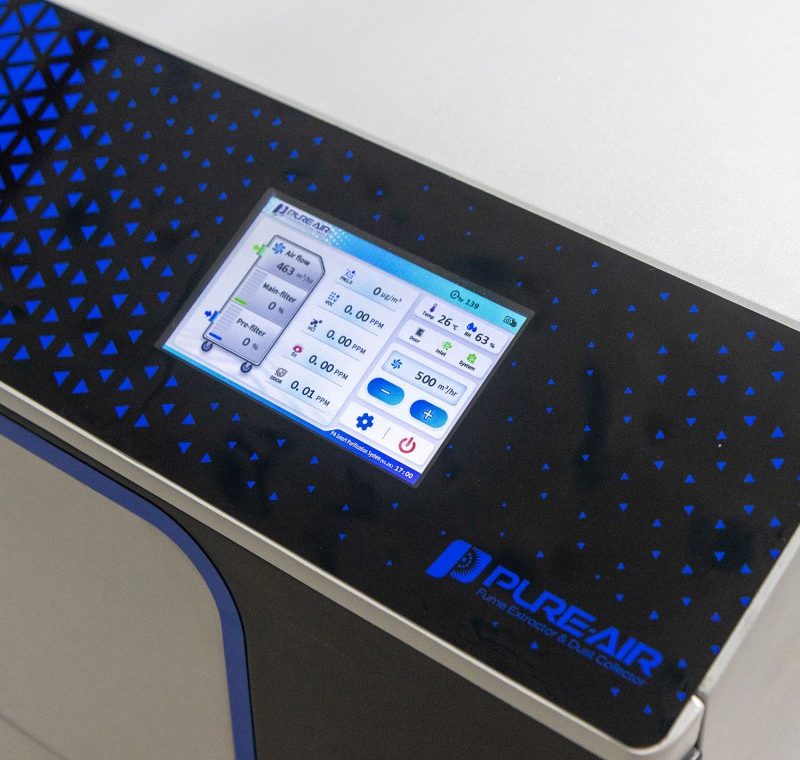
We should monitor three things: real airflow at the hood, differential pressure across filters, and airborne particle counts during a cut. These metrics tell a candid story. Also, consider modular designs that allow fast swaps of pre-filters and easy access to HEPA cartridges — maintenance matters more than one-time specs. Finally, when you compare options, use these three evaluation metrics: capture efficiency at the source, total cost of ownership (including filters and service), and operational noise level. I recommend these because they reflect daily realities, not just lab numbers — and yes, they’re practical. — funny how that works, right?
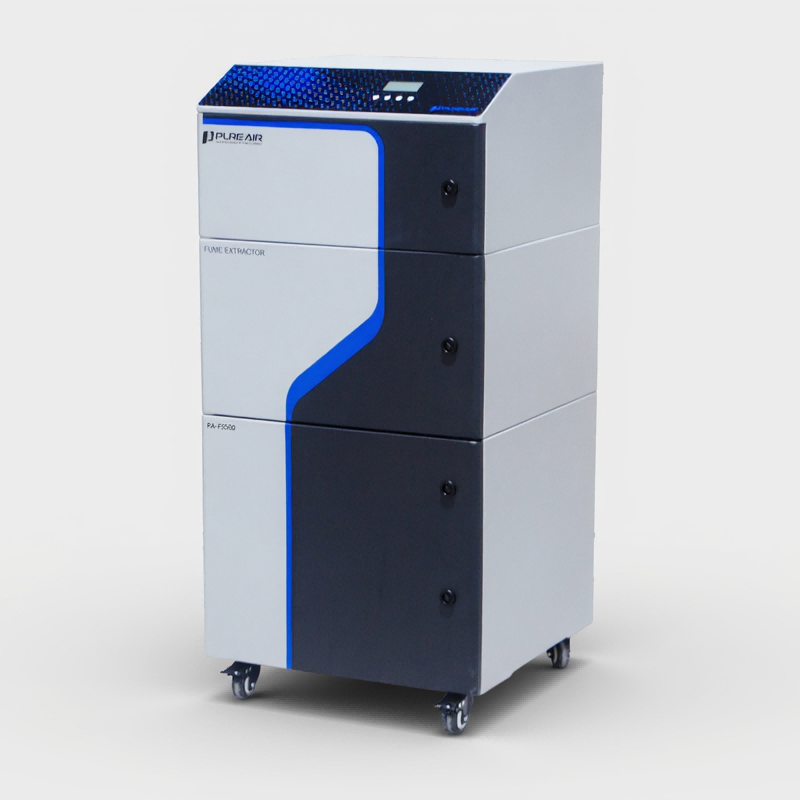 Overall, I’ve learned to trust systems that are honest about their limits and clear about servicing. When you evaluate a solution, don’t be swayed by a single lofty spec. Check the ductwork plan, ask for measured capture curves, and insist on data from real-world cuts. If you want a starting point, take a look at PURE-AIR — they produce sensible, serviceable units and back their claims with test data. PURE-AIR