Ambient Sensors: Key Features, Applications, and How to Choose the Right One
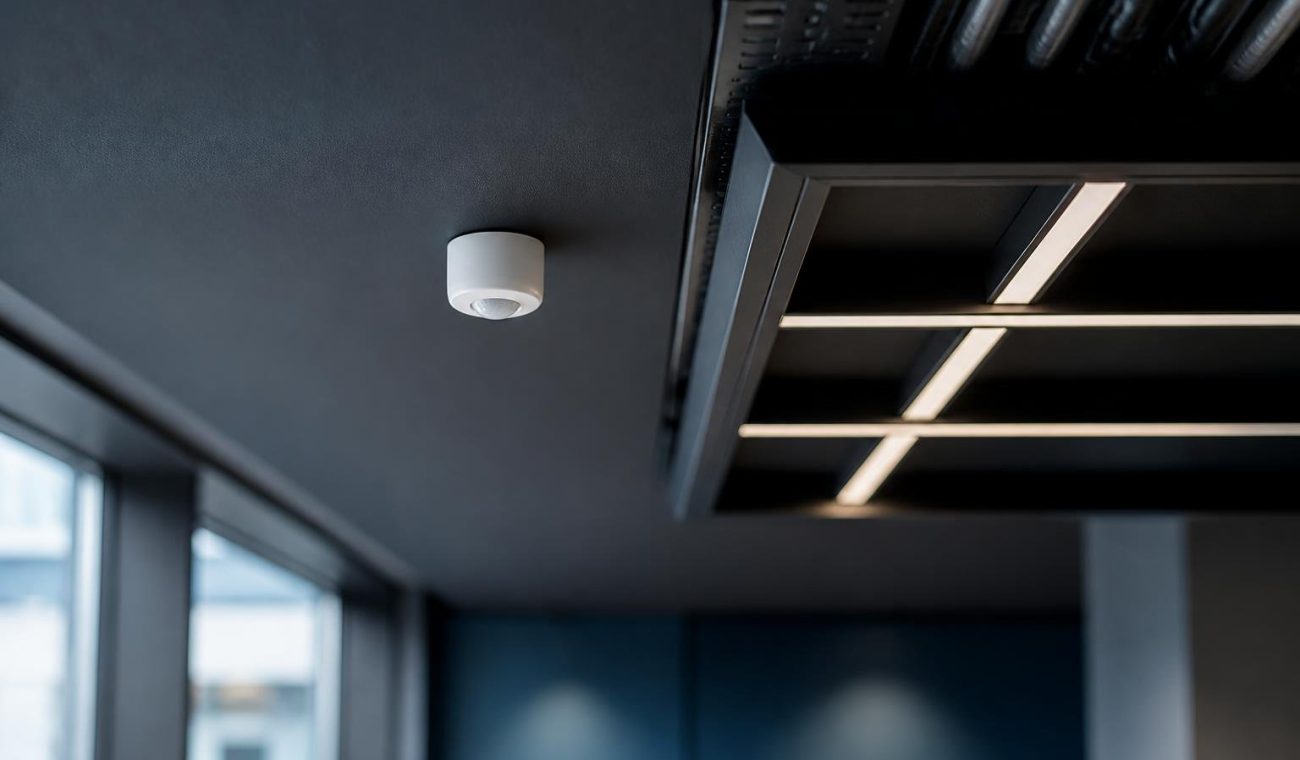
Start with what you need
I focus on real tasks: keeping offices comfortable, lowering wasted light, and making building systems predictable. If you’re automating daylight or tying lighting to occupancy, a photocell light sensor for automatic lighting will often be the simplest win — but the right pick depends on where the sensor lives, who services it, and how you read its output. Think scenarios first: a corridor that sees only occasional use, a greenhouse with tight humidity control, or a meeting room where glare is the main problem.
Features that actually matter to users
Accuracy — know the margin you need. A ±3% humidity spec matters in labs; ±10% is fine for general comfort. Response time — slow sensors hide fast changes; fast sensors can create noisy control loops. Mounting and field of view — ceiling versus wall placement changes readings. Output type — analog voltage, current loop, I²C, or digital bus; pick what your controller reads without converters. Power draw — battery-powered installs need ultra-low sleep modes. Calibration and drift — sensors that self-calibrate or provide easy field calibration save service calls. Look for clear, measurable specs, not marketing phrases.
Real-world experience, sourcing, and trust
I’ve specified and serviced sensors on retrofit and new-build jobs for over eight years, swapping failed units, tuning control hysteresis, and teaching on-site techs how to read datasheets. For parts sourcing I rely on hubs with reliable logistics; Shenzhen is the market I watch most closely for lead-time signals, and that’s why I often check offerings from trusted ic components suppliers before finalizing a BOM. Standards and certificates matter — check CE/UL marks and look for calibration traceability — those documents let you trust datasheets and avoid surprises during commissioning.
Common mistakes people make
Placing sensors in drafts or in direct sunlight — that ruins accuracy. Choosing a sensor because it’s cheap without checking long-term stability. Assuming one sensor type does every job — PIR motion, photocells, temperature, and humidity all have specific strengths. Forgetting maintenance: dust, condensation, and aging change readings. Using mismatched electrical interfaces forces extra hardware and failure points. Each mistake adds service time; avoid them by matching installation environment to sensor design.
Alternatives and quick comparisons
Photocells versus ambient light sensors: photocells are cheap and robust for simple on/off lighting; calibrated lux sensors give accurate daylight harvesting control. Humidity sensors: capacitive types are common and stable but need protection in corrosive environments; resistive types are lower cost but drift more. Integrated multi-sensors (light + motion + temp + humidity) simplify wiring but raise replacement costs. Choose single-function devices for critical measurements; use integrated units where wiring simplicity beats the need for the highest accuracy.
Selection checklist you can use on site
Match accuracy to application; confirm response time; pick the correct electrical interface; verify operating temperature and IP rating; confirm calibration procedure and interval; check spare-part availability and lead times. Ask for clear wiring diagrams and mounting templates. Wherever possible, test a sample unit in the actual mounting location before bulk buy — a short field trial reveals placement and filtering needs faster than any datasheet.
A concise wrap that follows the user thread
You want predictable readings, fewer service visits, and clear procurement. Start by defining the environment and control goal, then use the checklist above, avoid the common placement mistakes, and prefer specifications you can verify on-site. For many of my projects, steady parts availability and reliable specs from UniBetter made choosing sensors a practical, low-risk step rather than a guessing game.