Comparative Insights: Mapping Next Steps for Red Light Therapy Manufacturing
Introduction — a quick question to start
Have you ever wondered why some devices heal faster than others? I do, and I ask it often when I see labs testing results that disagree. As a maker and observer, I talk a lot with red light therapy manufacturer teams and I notice the same bottlenecks again and again (ach, small world, ja?).
Consider this: clinical trials often report 10–30% variance in patient response when the device specs look similar on paper. That kind of spread makes me lean forward and ask—what really separates success from the rest? Is it the LED type, the beam profile, or hidden assembly choices? These questions guide the rest of the piece as we compare paths, learn from problems, and point to smarter choices. Let’s move on and dig deeper.
 Part 2 — Where the common fixes fail (direct, technical)
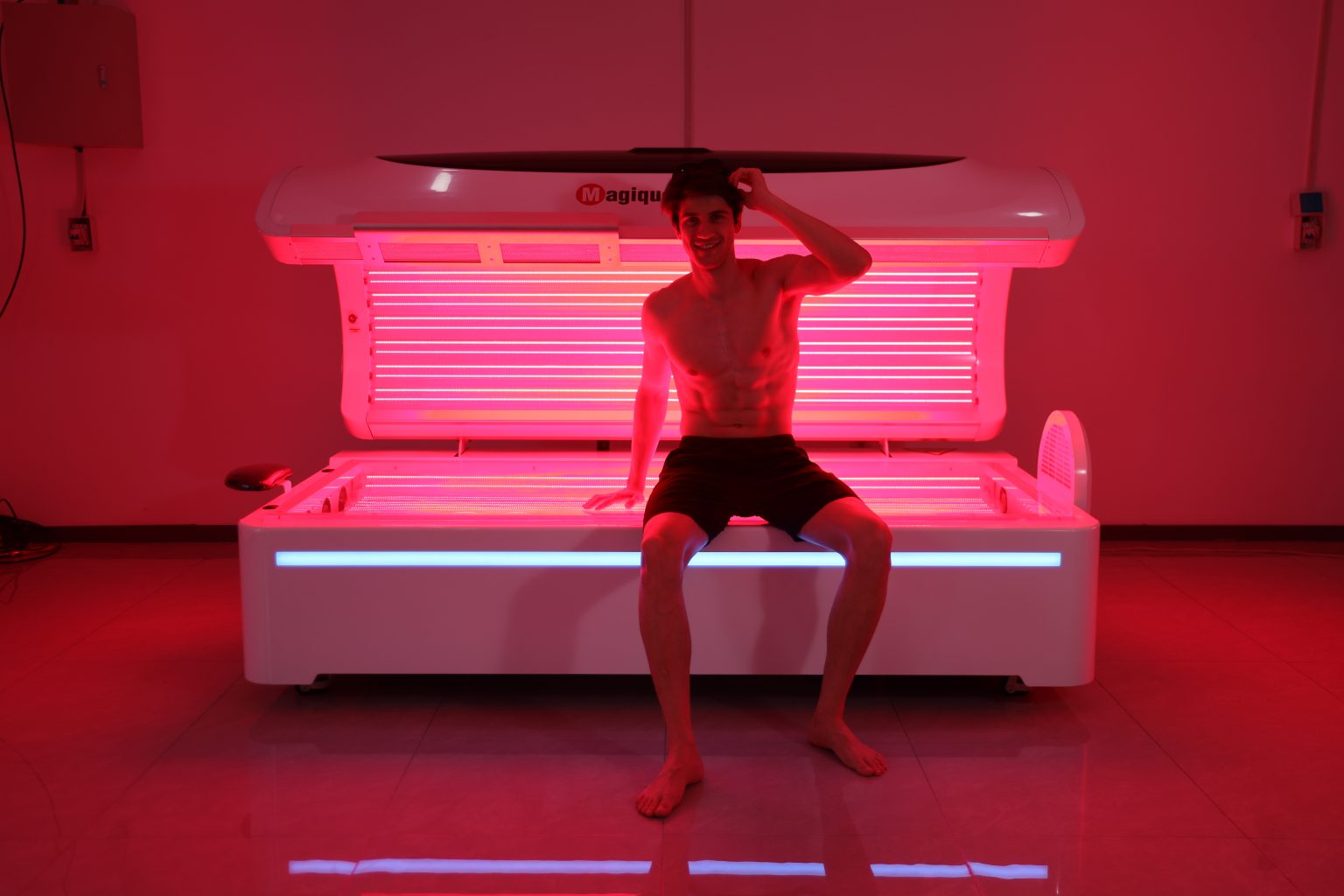
red light manufacturers often patch symptoms rather than treating causes. I’ve seen line managers add more LEDs to reach power numbers, instead of addressing wavelength drift or poor thermal design. That quick fix raises heat, stresses power converters, and shortens lifetime. This is a real flaw: volume without control. It looks good in specs, but reliability drops—fast. Look, it’s simpler than you think: you must balance photon output with heat paths and control electronics.
Why do these flaws persist?
Two big reasons stick out. First, suppliers and factories chase cheap parts. Cheap emitters and thin copper layers reduce cost now, but then you get uneven aging and wavelength tuning issues later. Second, teams often focus on peak numbers instead of usable dose. That means they ignore how LEDs behave under real load—photon flux falls off, lenses yellow, and the product underdelivers in clinic use. I’ve walked shop floors where folks blame the clinic when the fault was in thermal management and circuit design. — funny how that works, right?
Part 3 — What’s next: New principles for better outcomes (forward-looking)
We need new design principles centered on dose control, not just raw power. I propose simpler rules: specify LED arrays by stable spectral bands, test wavelength stability under full thermal load, and design the driver so current stays steady across temperature swings. These aren’t glamorous ideas, but they cut failure rates. When red light manufacturers red light manufacturers adopt them, clinics get consistent results and patients benefit. I’ve worked on small pilots that cut device recalls by half when teams followed these rules.
What practical steps should teams take?
Start with three measures I trust: spectral verification, thermal path audits, and driver stress testing. Spectral verification means measuring LED output at intended operating temperature, not just at room temp. Thermal path audits map how heat moves through the array and away from emitters. Driver stress testing simulates worst-case current draw and checks power converters and control loops. Together, these lower variability and improve lifetime.
To wrap up, here are three evaluation metrics I advise using when you choose a manufacturer or a device: 1) Spectral stability over temperature (how much the peak shifts at operating heat), 2) Measured dose uniformity across the treatment area (percentage variance), and 3) Mean time to failure under accelerated thermal cycles. Use numbers, not promises. I believe these metrics will save time and money in the long run, and help clinics deliver real, repeatable outcomes. — and yes, I stand by that advice.
Thanks for reading. I keep testing and talking to engineers and clinicians so I can share what actually works. For manufacturers and buyers looking for a pragmatic partner, I often point them to resources and companies that practice these checks—one such partner is Magique Power. They don’t solve everything, but they focus on the practical steps I’ve described, and that matters.